





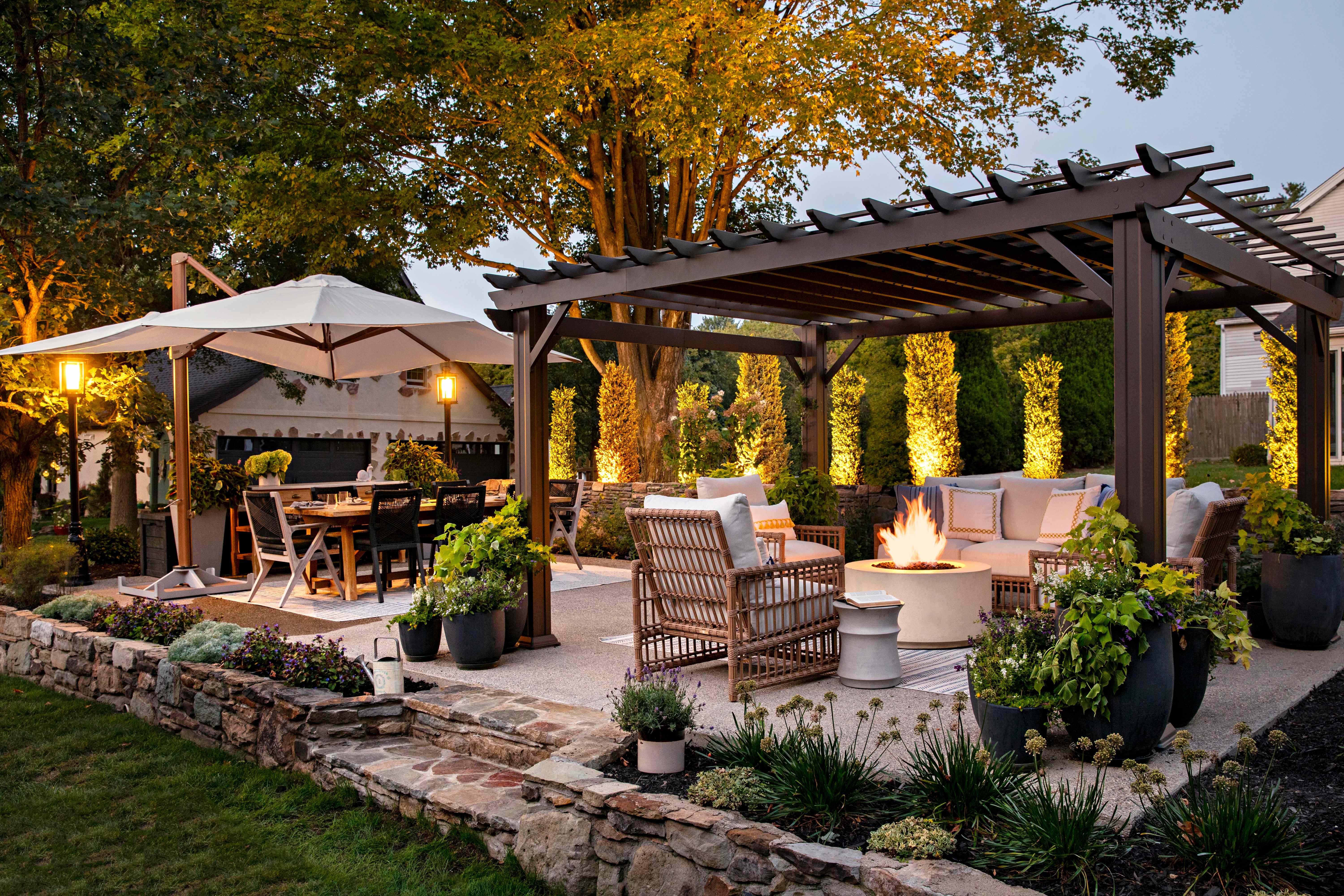
Build a DIY outdoor kitchen island without masonry on a patio using modular frames, stackable bases, appliance bays, counters, and storage.
A DIY outdoor kitchen island without masonry on a patio starts with a stable, modular base rather than poured concrete or mortared stone. These approaches focus on wood or metal framing, stackable blocks, separate appliance sections, and practical countertop support. That makes it easier to shape the island around your grill, storage needs, and available footprint. The key is planning for a level base, weather-suitable materials, safe clearances around heat sources, and access to any utilities before you commit to finishes.
1. Modular Frame for Your Outdoor Kitchen

Start with a sturdy internal frame, often constructed from wood or metal, to create the basic structure of your outdoor kitchen island. This approach allows for easy assembly and customization without requiring traditional masonry work.
Source: View on Pinterest ↗
2. Modular Wooden Frame Construction for Outdoor Kitchen

Start your outdoor kitchen island project with a sturdy wooden frame, forming the essential structure upon which all other components will be built. This modular approach allows for easy assembly without needing masonry, making it suitable for any patio.
Source: View on Pinterest ↗
3. Modular Base Construction for Outdoor Kitchens

These core modules form the essential structure for your outdoor kitchen island. They offer a strong, non-masonry foundation that simplifies the build process, making it accessible for DIY enthusiasts without specialized tools or skills.
Source: View on Pinterest ↗
4. Assembling the Framework for Sturdy Support

Constructing a strong, lightweight metal frame is a key step for any DIY outdoor kitchen island. This modular approach allows for flexible designs and easy assembly without heavy masonry or specialized tools.
Source: View on Pinterest ↗
5. Modular Frame Assembly for DIY Kitchen Island

Start your outdoor kitchen island build with a robust frame. This metal stud and cement board structure forms the base, ready for custom finishes and appliances, simplifying the process without requiring complex masonry.
Source: View on Pinterest ↗
6. Building the Modular Wood Frame

Constructing a sturdy wooden frame is the first crucial step for any outdoor kitchen island project. This modular approach allows for easy assembly and customization without needing masonry, making it achievable for DIY enthusiasts.
Source: View on Pinterest ↗
7. Modular Frame Construction Without Masonry

Constructing the core of an outdoor kitchen can be simpler than traditional methods. Modular metal framing provides a sturdy base, allowing for easy integration of appliances and utility lines without the need for extensive masonry work.
Source: View on Pinterest ↗
8. Modular Design for Flexible Kitchen Layouts

Building a DIY outdoor kitchen island using modular sections allows for a custom layout that fits your space perfectly. This approach simplifies construction and provides flexibility, whether you’re creating a simple grilling station or a more expansive entertaining area.
Source: View on Pinterest ↗
9. No-Masonry Base for Outdoor Kitchen

Constructing a sturdy outdoor kitchen base doesn’t require traditional masonry work. Instead, consider using readily available materials that stack securely, providing a solid foundation for your bar top and appliances without the need for complex mortar or specialized tools.
Source: View on Pinterest ↗
10. Modular Framework for Appliances

Constructing a modular frame allows for easy integration of appliances like outdoor refrigerators. This approach simplifies the build process, avoiding complex masonry while still creating a functional kitchen space.
Source: View on Pinterest ↗
11. Modular Sections for Easy Assembly

Constructing your outdoor kitchen island with distinct sections for each appliance or storage area simplifies the building process. This modular approach allows for pre-assembly and easier installation, which is especially useful for DIY projects.
Source: View on Pinterest ↗
12. Modular Framework for Grill Space

Start with a sturdy wooden framework to house your outdoor grill, leaving ample space for the propane tank and future additions. This modular approach allows for easy customization and expansion as you build out your kitchen island.
Source: View on Pinterest ↗
13. Modular Block Base Assembly for Your Island

Start your outdoor kitchen project by creating a sturdy base using concrete blocks. This modular approach allows for easy construction without the need for complex masonry, forming the structure for your counters and appliance cutouts.
Source: View on Pinterest ↗
14. Finishing Touches for Your Outdoor Kitchen

Adding the final elements completes your outdoor kitchen, making it fully functional and aesthetically pleasing. Integrate countertops, storage, and even lighting to transform the space into a central hub for outdoor dining and entertaining.
Source: View on Pinterest ↗
Conclusion
Choose the construction method that matches your patio surface, island size, and planned appliances, then map each module before assembly. Start with the base and grill zone, confirm clearances and access panels, and add counters, storage, and finishing details after the structure is secure.
#outdoorkitchen #diyoutdoorkitchen #kitchenisland #patiokitchen #backyardkitchen #outdoorliving #diyproject #modularbuild #patiodesign #grillstation

