




Plan a DIY shallow depth standing desk build for a narrow bedroom alcove with support ideas, compact storage, and precise fitting tips.
A DIY shallow depth standing desk build for a narrow bedroom alcove starts with the constraints: wall width, usable depth, outlet placement, and a comfortable standing height. Floating desktops, wall battens, built-in shelves, and swing-away surfaces can turn an awkward recess into a practical work zone without swallowing the room. The strongest results come from measuring the alcove carefully, locating secure wall support, and choosing a layout that preserves a clear path through the bedroom.
1. DIY Floating Alcove Desk Construction

Building a custom floating desk directly into a bedroom alcove can maximize every inch of usable surface. This approach secures the desk to the wall, creating a sturdy and integrated workspace without requiring traditional legs or supports that might obstruct a narrow space.
Source: View on Pinterest ↗
2. Planning Desk Support for Narrow Alcoves

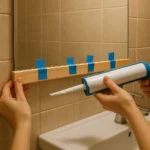
Building a sturdy foundation is key for any DIY desk. Attaching batons directly to the alcove walls offers solid support while maximizing the usable surface area for a custom workspace, even in tight spaces.
Source: View on Pinterest ↗
3. Floating Desk Over a Window

Utilize a window alcove by installing a shallow floating desk. This setup maximizes natural light and creates a bright, focused workspace without sacrificing precious floor space in a compact room.
Source: View on Pinterest ↗
4. Wall-Mounted Desk for Small Spaces

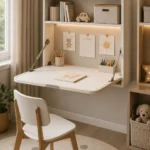
A floating desk is a smart option for maximizing floor space in a tight alcove. Its construction allows for custom dimensions, making it an ideal DIY project to fit precisely into an otherwise unused corner.
Source: View on Pinterest ↗
5. Beginner Desk Frame Construction

Building a custom desk starts with a solid frame. This setup illustrates the initial stages of assembly, showcasing how a sturdy wooden structure can be mounted directly into a wall to support a countertop in a tight space.
Source: View on Pinterest ↗
6. Compact Alcove Desk with Built-In Shelving

Transforming a narrow bedroom alcove into a functional workspace is achievable with custom-fitted shelving and a desktop. This design maximizes vertical space while integrating storage, creating a cohesive and efficient setup for productivity.
Source: View on Pinterest ↗
7. DIY Standing Desk for Small Spaces

This simple, sturdy build provides a comfortable workspace, ideal for a narrow bedroom alcove. The design ensures it fits snugly while offering enough surface for daily tasks, supporting both productivity and ergonomic comfort without cluttering the room.
Source: View on Pinterest ↗
8. DIY Swivel Desk for Alcoves

A swivel desk design offers an ingenious solution for small spaces where a traditional fixed desk might block passage. This build allows the desk surface to rotate out when needed and tuck away flush against the wall to reclaim valuable floor space.
Source: View on Pinterest ↗
9. Built-In Desk Countertop for Nooks

This built-in countertop solution offers a seamless, space-saving work surface for a narrow bedroom alcove. Its custom fit maximizes usable space, while the light wood finish and clean lines contribute to an airy, uncluttered feel in a compact area.
Source: View on Pinterest ↗
10. Compact Floating Desk with Integrated Storage

A floating desk design, custom-built for a narrow space, offers a seamless look that maximizes floor area. Integrated drawers maintain a clean surface while providing essential storage for supplies, making small nooks functional.
Source: View on Pinterest ↗
11. Installing the Shallow Depth Desktop

After reinforcing the wall supports, cutting the wood to size is a key step. This shows the desktop being fitted into the alcove, ready for finishing touches that will transform the space into a functional workstation.
Source: View on Pinterest ↗
12. Planning Desk Components Before Assembly

Custom desk builds require careful measurement and dry-fitting pieces before permanent assembly. This step ensures that all parts align correctly, especially for shallow-depth designs that need precise integration into tight spaces.
Source: View on Pinterest ↗
Conclusion
Start by measuring the finished wall-to-wall width, the maximum depth that keeps circulation clear, and your preferred standing work height. Then choose a fixed floating top for a permanent station or a swivel design if the alcove must stay open between tasks. Build the support structure before cutting the desktop so the final fit is clean and secure.
#diydesk #standingdesk #floatingdesk #alcovedesk #smallspaceideas #bedroomoffice #builtinworkspace #narrowspaces #diyfurniture #homeofficeideas

