








A rough cable-hole rim can catch the inside of a cuff every time you reach for a keyboard, mouse, or charging lead. The safest fix is usually to cover or replace the abrasive contact point rather than aggressively sand a finished desk. Start by checking the grommet insert, the cut edge beneath it, and any exposed metal lip. Then choose a soft, low-profile barrier that lets cables move freely without creating a bulky edge against your sleeve.
In this article
Find the Cuff-Snagging Contact Point

Image credit: off-the-cuff-shirtmaking.blogspot.com
Before adding padding, identify exactly what catches the fabric. Run a clean cotton cloth slowly around the opening and along the underside of the rim; if it snags, frays, or pulls, that area needs attention. Also feel for a loose insert, a chipped plastic ring, or a burr where the desk surface meets the cutout.
Check with the chair and keyboard in their normal positions. A grommet can feel harmless from above yet rub a cuff repeatedly at the front edge as you type. Mark the trouble spot with removable painter’s tape so the repair stays targeted.
Do not test sharp edges with a favorite shirt. A scrap of smooth woven fabric gives a clearer warning without risking a tailored cuff or sleeve placket.
Use Temporary Protection While You Work

Image credit: xsuit.com
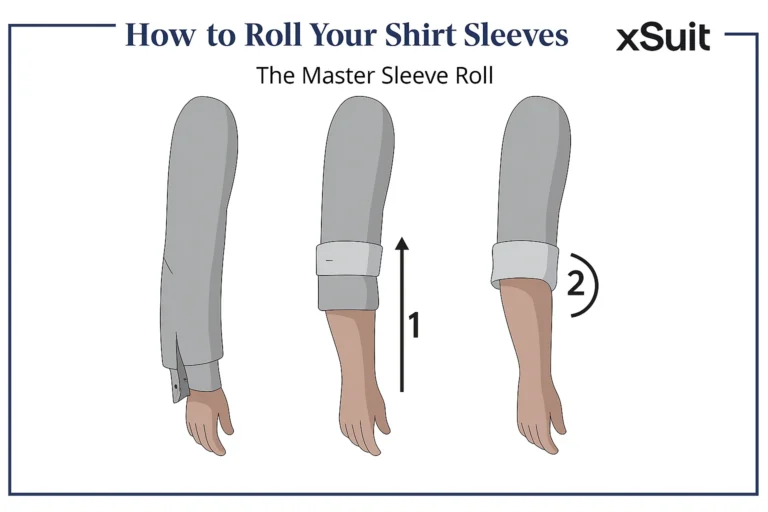
Until the edge is covered or replaced, keep cuffs out of its path. Rolling sleeves neatly above the wrist is a practical short-term measure, particularly during desk setup, cable changes, or cleaning. It prevents an existing rough spot from causing more wear while you decide on a lasting solution.
For office-appropriate protection, use a smooth layer that does not leave residue: a small piece of low-tack tape folded over the exposed edge, or a removable felt strip placed where the cuff brushes the opening. Avoid thick wraps that can pinch cables or lift at the corners.
Remove temporary material periodically. Dust and adhesive buildup can create a new abrasive surface, defeating the purpose of the cushion.
Source: How to Roll Up Your Dress Shirt Sleeves Without Looking Sloppy
Choose a Low-Profile Protective Insert

Image credit: christinenickersondesign.com
A properly fitted desk grommet is the cleanest long-term answer for a raw cable hole. The insert should sit flush with the desktop, cover the cut edge completely, and leave enough room for cords without forcing them against a narrow opening. If the current rim is cracked, warped, or incomplete, replacement is often more reliable than trying to hide the damage.
For a finished wood or laminate desk, measure the opening before buying an insert. A loose grommet can shift and expose the edge again, while an oversized one may require altering the desk. Choose a material with a smooth, rounded lip and no exposed fasteners where your forearm rests.
Pop-up power units need an additional check: close and open the lid several times, then pass a cloth around the perimeter. The moving lid and surrounding trim should sit evenly and should not leave a raised corner near the typing position.
Source: How to Install a Desk Power Grommet – christine nickerson design
Avoid Repairs That Create New Snags
Image credit: reddit.com
A cover only works if its edge lies flat. Curling tape, hard glue beads, and rough-cut foam can become just as troublesome as the original lip. Keep any cushioning narrow, smooth, and securely seated, especially on the side nearest your wrists.
If a metal or plastic edge is visibly damaged, do not force it flat with improvised tools while it remains installed in the desk. A slipped tool can scar the desktop, enlarge the opening, or leave a sharper burr. Remove and replace the insert where possible, or ask a furniture repair professional to assess a fixed component.
Recheck the repair after a few work sessions using the cloth test. Any pulling means the barrier needs to be repositioned or the grommet needs replacement before it meets a dress-shirt cuff again.
⚠️ Source unavailable — description based on the image only.
Make the cloth test part of your desk-maintenance routine: inspect the rim, cover any rough point with a smooth temporary barrier, and replace a damaged insert rather than repeatedly patching it. A flush, rounded grommet protects tailored shirt cuffs and makes the cable opening more comfortable to use every day.
FAQ
Can I sand a sharp desk grommet edge?
Only if the grommet can be removed and its material is suitable for sanding. For installed or finished surfaces, a replacement insert or removable edge cover is usually safer.
What is the best temporary cover for a rough cable hole?
Use a smooth, low-profile, removable barrier such as folded low-tack tape or a thin felt strip. Keep it clear of cable paths and replace it if it lifts or collects debris.
How do I know if a desk grommet is damaging my cuff?
Use a clean scrap of woven fabric or cotton cloth around the rim and underside. Snagging, pulling, or visible abrasion points to an edge that needs covering or replacement.

