
Learn how to fix peel and stick wallpaper failing on textured walls with practical prep, repair, smoothing, and alternative wallcovering tips.
Peel-and-stick wallpaper needs broad, consistent contact to hold. Textured walls interrupt that bond, while dust, moisture, weak seams, rushed installation, and inaccurate cuts can make the problem spread. To fix peel and stick wallpaper failing on textured walls, start by checking the wall finish and the condition of each loose edge. Then clean, dry, smooth, and firmly reattach the material where possible. If the wall texture is too pronounced, a different prep method or wallcovering type may provide a more dependable result.
1. Wallpaper Peeling Away from Wall

If your peel-and-stick wallpaper is peeling, you’re experiencing a common issue that can be frustrating. This image demonstrates a typical scenario where the adhesive fails, showing a quick repair could be helpful to prevent further damage. Understanding why this happens is the first step to finding a lasting solution.
Source: View on Pinterest ↗
2. Peeling Wallpaper Backing Challenges

Understanding why wallpaper peels is the first step to a lasting fix. When the backing separates, it’s often a sign of insufficient adhesion or improper surface preparation, signaling a need for intervention to prevent further detachment.
Source: View on Pinterest ↗
3. Textured Wall Surfaces for Peel-and-Stick Wallpaper

Understanding the texture of your walls is the first step when considering peel-and-stick wallpaper. Different surface types can impact adhesion, making preparation crucial for a successful installation that lasts.
Source: View on Pinterest ↗
4. Addressing Wallpaper Seam Separation

Seams are often the first place wallpaper begins to lift or peel. This is particularly true for peel-and-stick varieties on textured surfaces. Learning how to properly re-adhere and seal these edges can significantly extend your wallpaper’s lifespan and maintain a smooth finish.
Source: View on Pinterest ↗
5. Wallpaper Preparation on Textured Walls

Thorough surface cleaning is a critical first step when applying peel-and-stick wallpaper, especially on textured walls. Removing dust and grime ensures better adhesion, preventing common issues like peeling or bubbling down the line.
Source: View on Pinterest ↗
6. Hanging Peel-and-Stick Wallpaper Correctly

Proper installation techniques can make a significant difference in how well peel-and-stick wallpaper adheres, especially on surfaces that aren’t perfectly smooth. Start with a clean, dry wall and slowly smooth out the paper as you go to minimize air bubbles and ensure strong contact.
Source: View on Pinterest ↗
7. Proper Wallpaper Smoothing Techniques
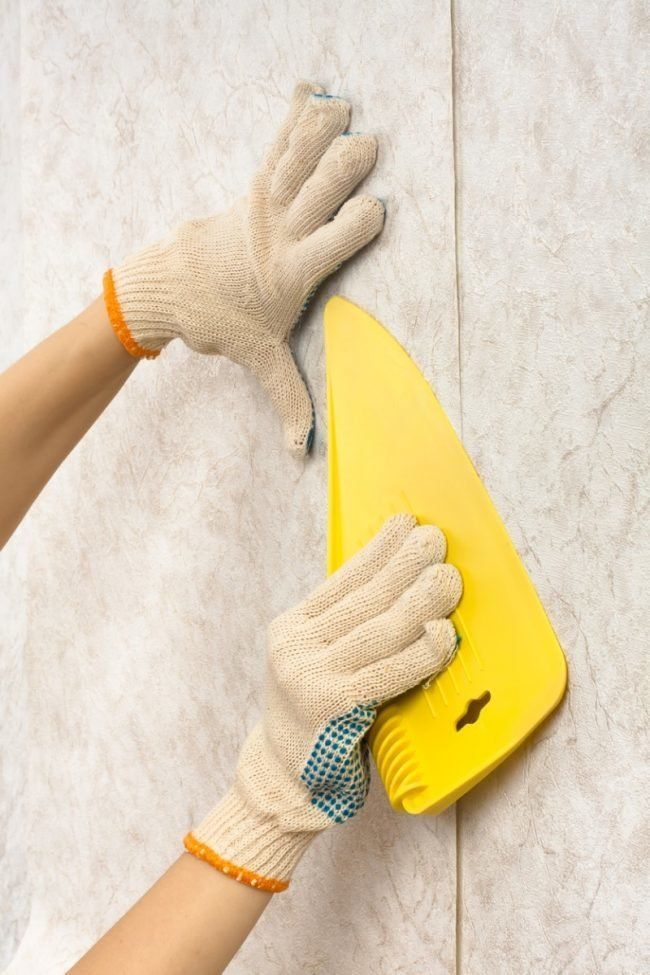
After applying peel and stick wallpaper, use a smoothing tool to press out air bubbles and ensure strong adhesion. This step is crucial for preventing peeling, especially on imperfect walls, by creating a firm bond between the wallpaper and the surface.
Source: View on Pinterest ↗
8. Essential Measurement Techniques for Wallpaper Installation

Accurate measurements are critical when working with wallpaper, especially around tricky areas like outlets or trim. Double-checking your dimensions helps prevent waste and ensures a seamless, professional finish.
Source: View on Pinterest ↗
9. Unpasted Wallpaper for Textured Walls

While peel-and-stick wallpaper is popular, traditional unpasted options might be a better choice for textured walls. The ability to apply a strong adhesive directly to the wall can create a more durable bond, preventing issues like peeling or bubbling often seen with self-adhesive products on uneven surfaces.
Source: View on Pinterest ↗
10. Easy Removal of Peel and Stick Wallpaper

Understanding how to safely remove peel and stick wallpaper is crucial for renters and homeowners alike. Proper removal techniques prevent wall damage, making it easier to change styles or prepare for moving without issues.
Source: View on Pinterest ↗
Conclusion
Treat lifting edges early, before a small seam failure pulls a full panel away from the wall. Test adhesion on a discreet section after cleaning and smoothing; if it still will not hold across the texture, remove the panel carefully and choose a wallcovering method built for uneven surfaces.
#peelandstickwallpaper #texturedwalls #wallpaperrepair #wallpaperinstallation #wallpaperideas #diyhomedecor #accentwall #wallpreparation #renterfriendlydecor #homeimprovement