









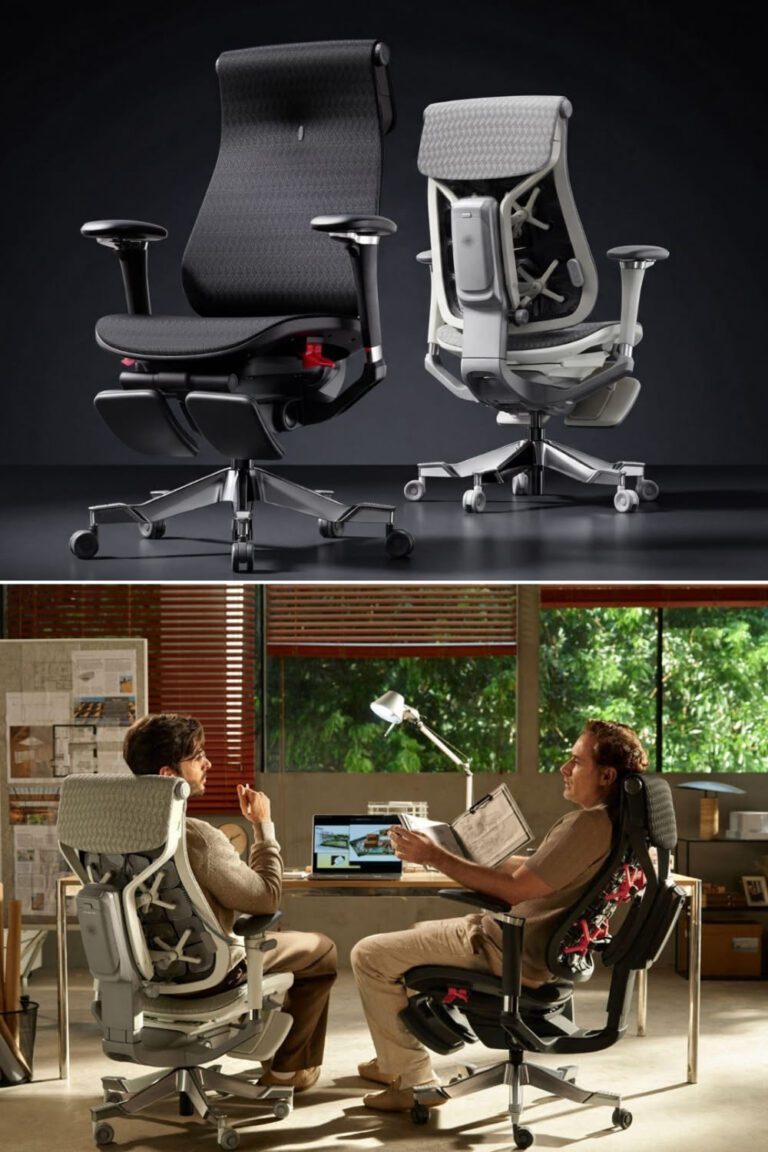
Heavy-duty ergonomic office chair modifications for wide hips can improve fit, support, movement, and comfort during long remote-work hours.
Heavy-duty ergonomic office chair modifications for wide hips start with one nonnegotiable: the chair must fit your body without pinching, crowding, or forcing a fixed posture. A wider seat, clear armrest space, dependable lumbar support, and adjustable recline can reduce common pressure points while making it easier to shift naturally through the day. These practical ideas focus on chair features and supportive additions that help plus-size remote workers build a workspace that feels stable, spacious, and easier to use for long stretches.
1. High-Tech Ergonomics for Tailored Support
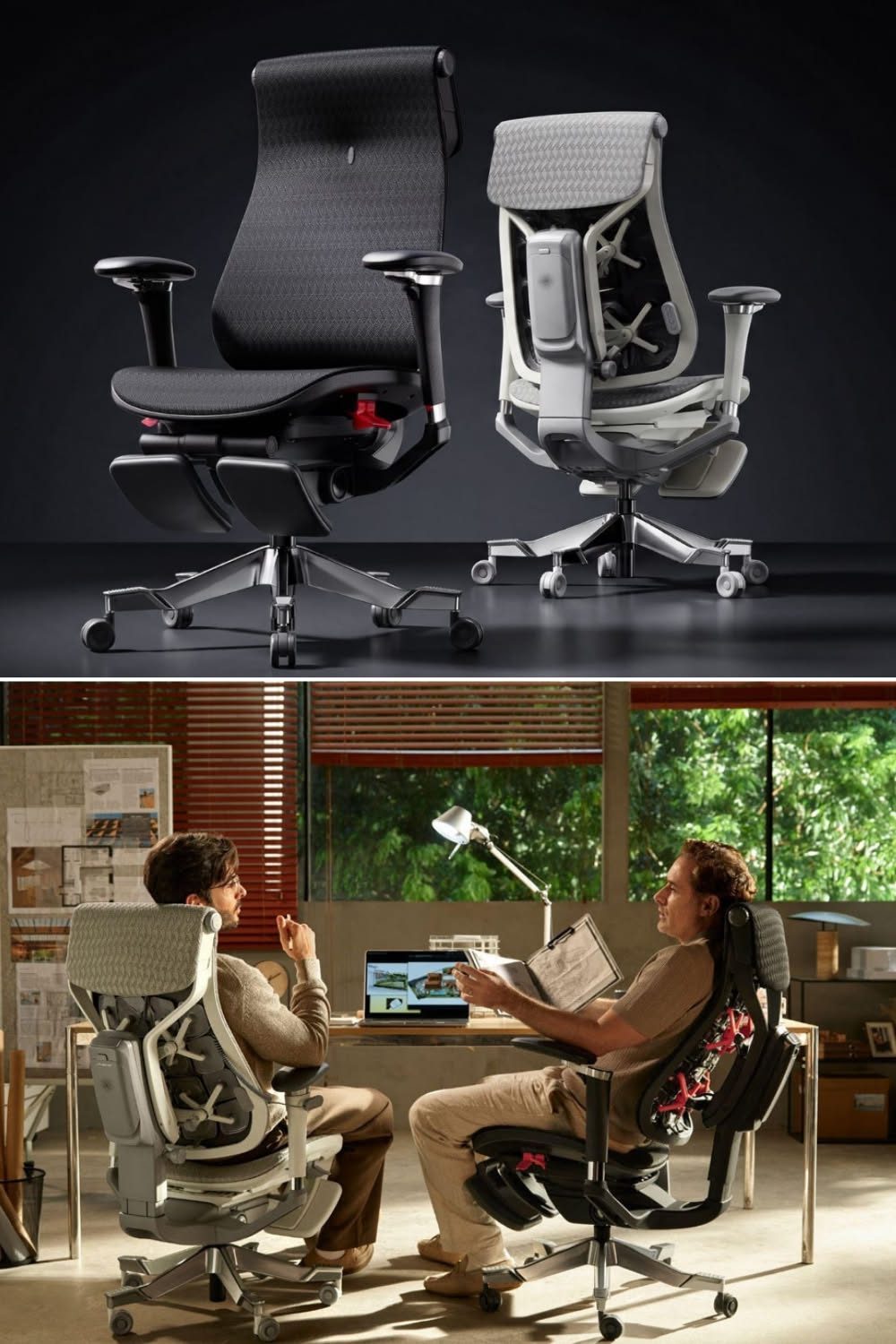
Investing in an office chair with advanced ergonomic features can make a significant difference for personalized comfort. Look for models offering dynamic spine support, adaptive recline, and adjustable components to accommodate individual body shapes and ensure long-term well-being.
Source: View on Pinterest ↗
2. Headrest Adjustments for Tailored Support
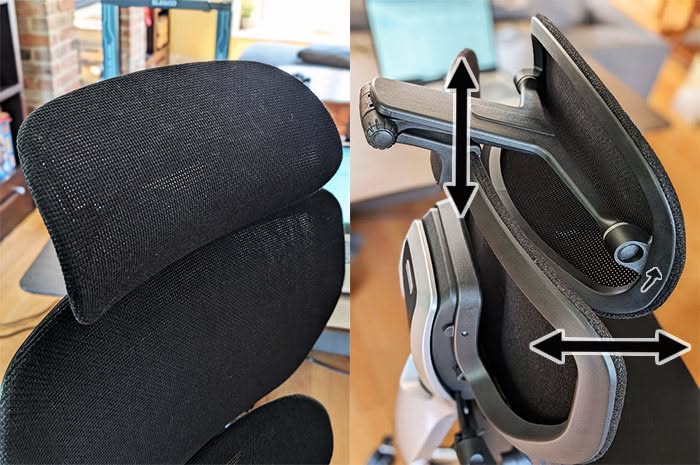
An ergonomic headrest that adjusts both vertically and horizontally can significantly enhance upper back and neck comfort. This type of adaptability helps align the spine, reducing strain during long periods of sitting at a desk.
Source: View on Pinterest ↗
3. Spacious Seating for Wider Hips
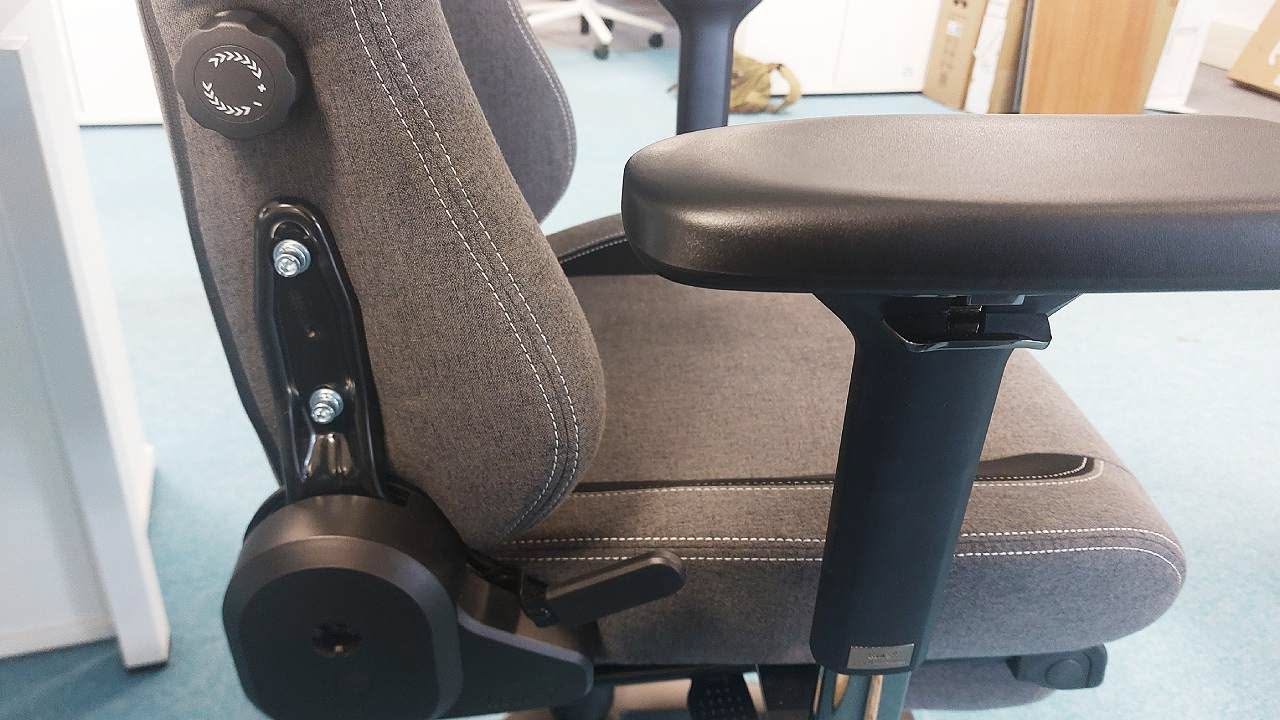
Finding an office chair that accommodates wider hips can significantly improve comfort during long hours. Look for models with generous seat width and adjustable armrests that can move out of the way, preventing unnecessary pressure and allowing for proper posture.
Source: View on Pinterest ↗
4. Active Back Support for Dynamic Movement
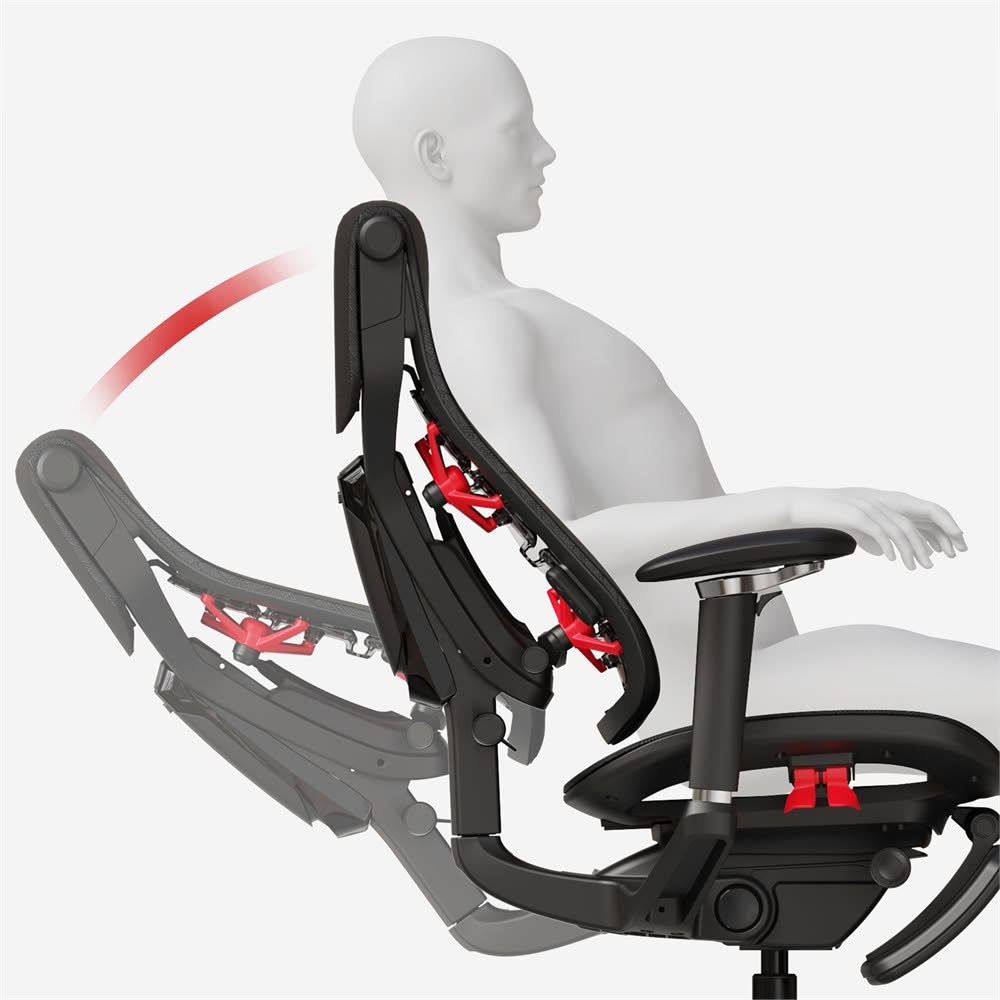
A responsive backrest system can encourage movement and prevent stiffness, which is crucial for comfort during long periods of sitting. This design helps support the spine in various positions, adapting to natural body shifts.
Source: View on Pinterest ↗
5. Adjustable Seat Depth for Leg Comfort
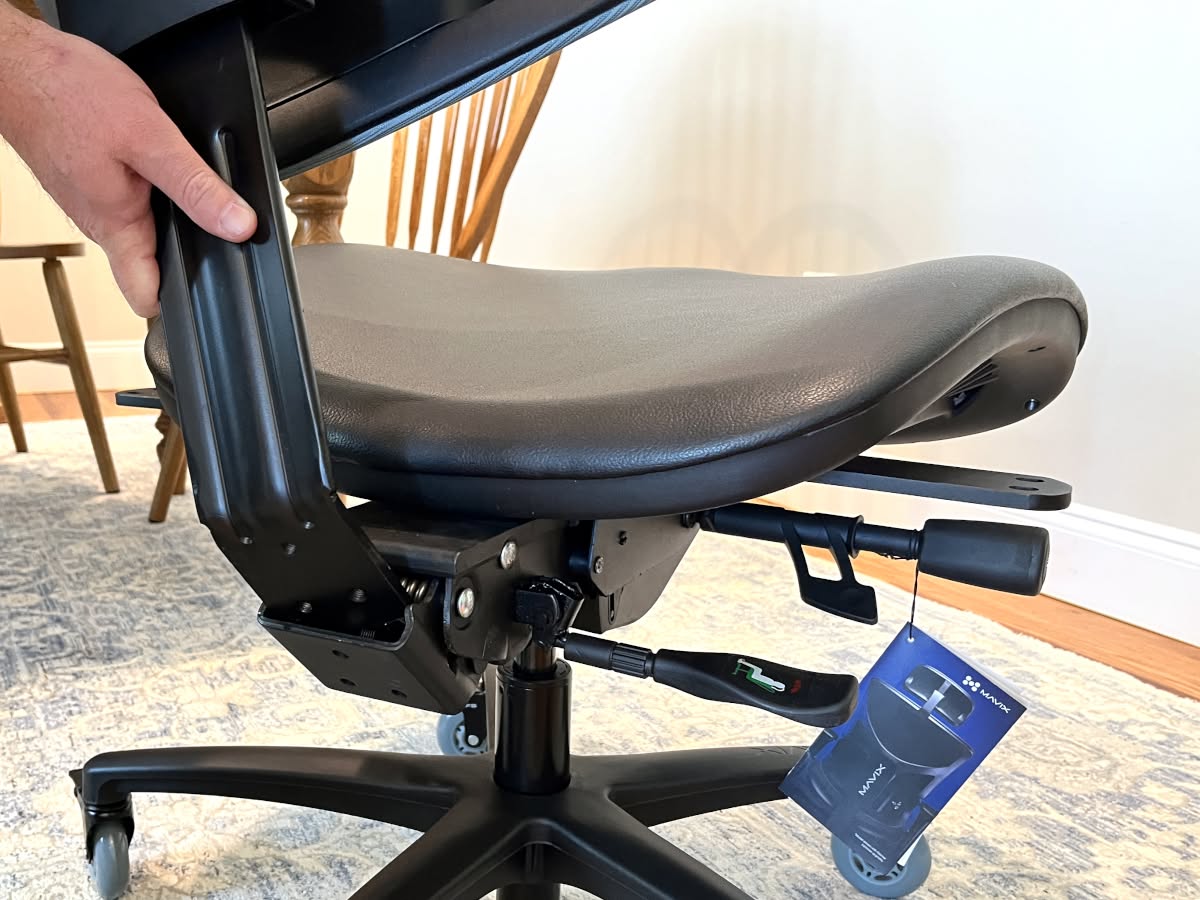
A well-designed ergonomic chair provides options to extend or retract the seat pan, offering crucial support for varying leg lengths and hip sizes. This adjustment ensures proper thigh support without pressure points behind the knees.
Source: View on Pinterest ↗
6. Essential Ergonomic Lumbar and Seat Support
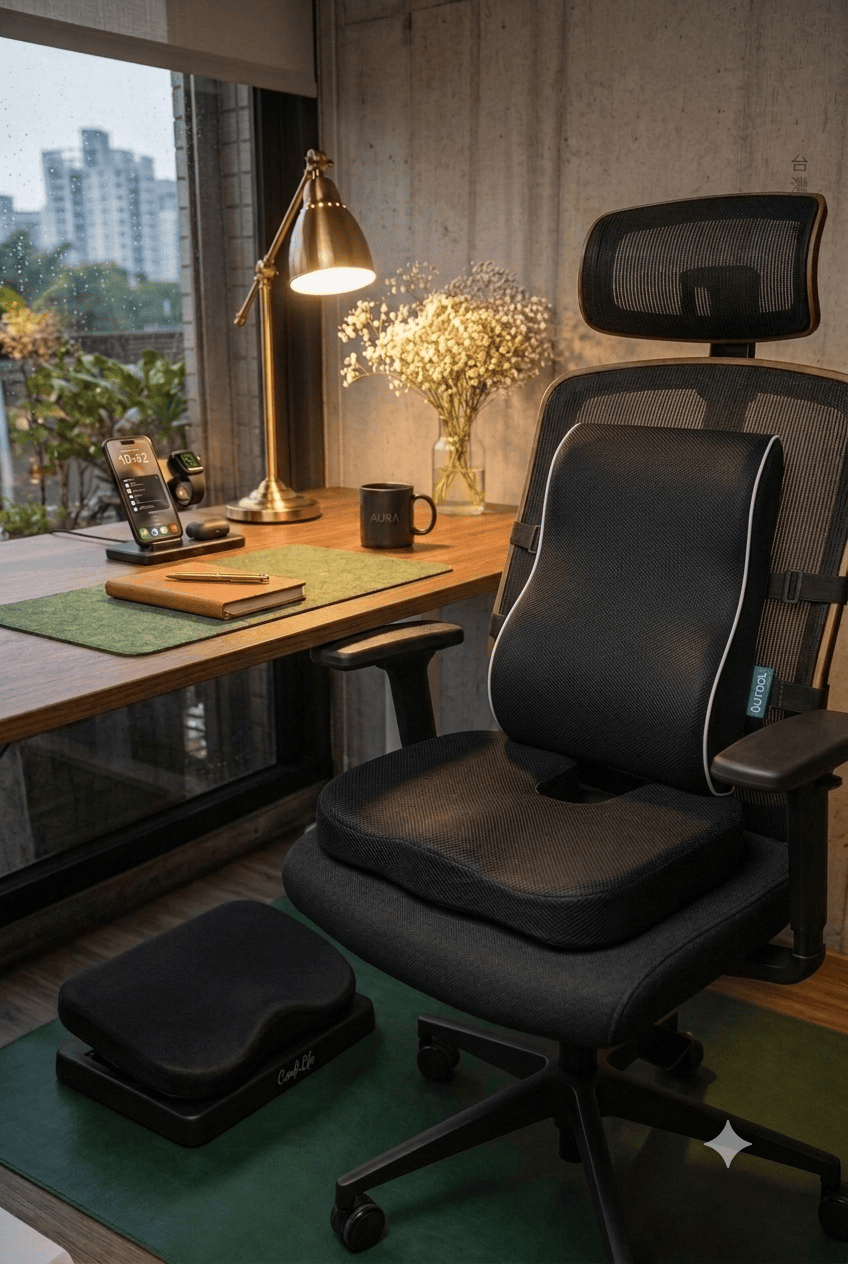
Improve your chair’s ergonomics with a dedicated lumbar pillow and a supportive seat cushion. These additions help maintain proper spinal alignment and reduce pressure, offering significant relief for long hours of sitting.
Source: View on Pinterest ↗
7. Criss-Cross Seating for Dynamic Posture
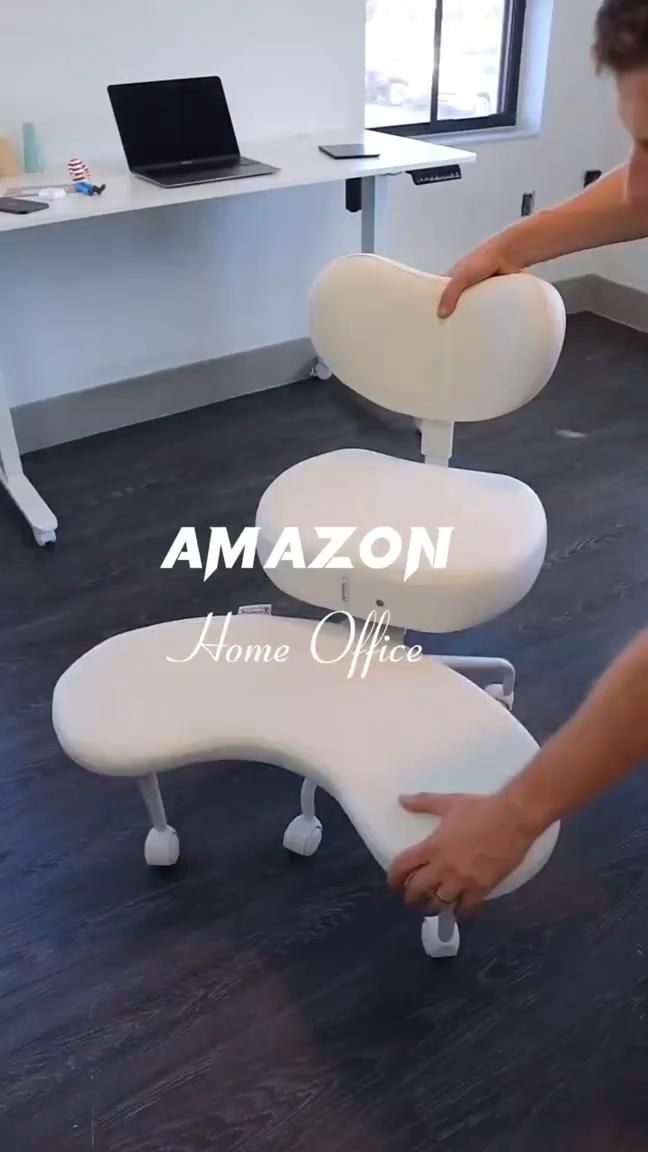
Consider chairs designed for varied seating positions, allowing you to comfortably shift and find ergonomic support. This type of chair can accommodate wider hips and offer more freedom of movement throughout the workday.
Source: View on Pinterest ↗
8. Ergonomic Office Chair Selection for Comfort
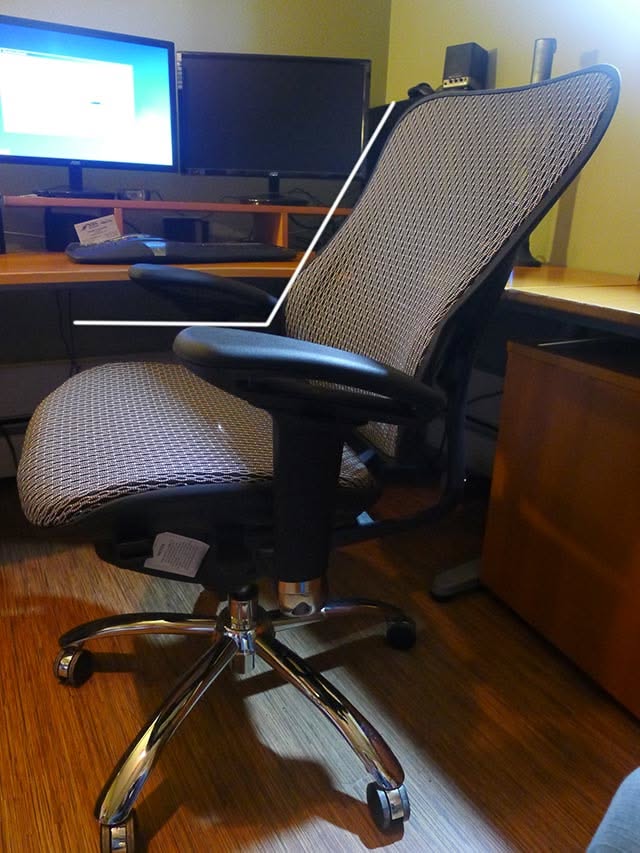
Choosing an office chair designed with ergonomic support in mind can significantly enhance comfort for those with wide hips. A well-designed chair provides ample seat width and proper back support, allowing for better posture and reduced pressure during long working hours.
Source: View on Pinterest ↗
Conclusion
Prioritize fit before add-ons: check usable seat width, armrest clearance, adjustment range, and the chair’s stated capacity. Then make one change at a time—such as adding lumbar support or adjusting the headrest—and reassess how your hips, back, and shoulders feel across a typical work session.
#officechaircomfort #widehips #plussizeoffice #ergonomicworkspace #remoteworksetup #deskcomfort #officechairtips #lumbarSupport #workfromhome #ergonomicchair