







A sagging floating desk usually means the mounting system—not just the desktop—has stopped carrying the load safely. Stop using the desk, remove everything from its surface, and check for loose screws, torn drywall paper, widening holes, or a desk edge pulling away from the wall. Simply tightening failed anchors rarely restores a dependable connection.
The durable repair is to shift the load into structure: install a steel cleat or brackets fastened to studs where possible, then add corner support legs if the desk span or daily load calls for them. This approach can preserve the desktop while limiting drywall repair.
In this article
Start With a Safe Load Check
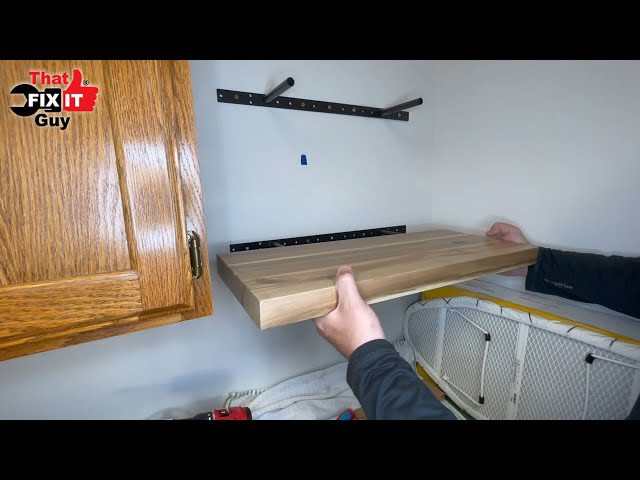
Image credit: youtube.com
Clear the desk completely before testing anything. A desktop holding monitors, office equipment, or a person leaning on its front edge puts far more leverage on the wall connection than a shallow display shelf.
Inspect the wall line and underside. If an anchor spins, a screw has pulled forward, or the drywall around a fastener feels soft or crushed, treat that location as failed. Remove the desk if it is no longer stable; working beneath a loaded, sagging surface is not a repair strategy.
Mark any studs before planning new hardware. A stud finder followed by a small confirmation hole in an inconspicuous spot can help verify the framing location. Structural fasteners into framing should carry the primary load whenever the desk layout allows.
Source: Floating Shelves Falling Off? Fix It Forever with TOGGLER Anchors! – YouTube
Move the Weight Into Structure
Image credit: reddit.com
A floating-style desk can keep a clean profile without relying on damaged anchors. Fit a steel cleat, substantial ledger, or heavy-duty support brackets along the rear of the desktop, then fasten that support into studs with hardware suited to the framing and bracket manufacturer’s instructions.
Place the support so it bears directly beneath or immediately behind the desk’s rear load path. Use a level before tightening fasteners, and check the desktop again after it is seated. A desk that is level at the wall but dips at the front needs additional support, not a thicker shim at the rear.
If studs do not align with the desk’s original mounting points, redesign the support layout rather than forcing a heavy load onto a single drywall location. A continuous cleat can spread the load across multiple stud connections.
Source: How do I fix this sagging floating shelf? : r/Home
⚠️ Source unavailable — description based on the image only.
Correct Minor Tilt Without Hiding Damage

Image credit: rackreview.blog
Shims can help fine-tune a small gap between a support and an uneven wall, but they are not a cure for anchor failure. Use them only after the desk is supported by sound hardware and the fasteners have a secure bearing surface.
Check the desk in more than one direction: side to side, from wall to front edge, and across the desktop. A thin shim at a solid bracket may remove a slight tilt; a stack of shims compensating for loose hardware is a sign to stop and rebuild the connection.
Do not cover torn gypsum, crumbling holes, or an active wall gap with trim or caulk. Address the failed area after the desk is safely supported, then make cosmetic repairs once the new mounting points are carrying the weight.
Source: How to Fix Floating Shelf: Quick Steps
Use Toggle Anchors Only as Secondary Support
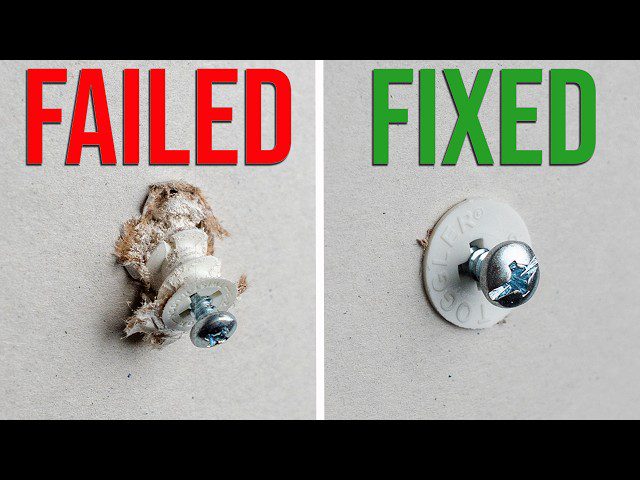
Image credit: youtube.com
For a location with no stud, a metal toggle-style anchor can provide a more substantial drywall connection than a light-duty plastic anchor. It still has limits: drywall condition, anchor size, load direction, desk depth, and the number of attachment points all matter.
Do not install a replacement anchor into a blown-out hole without confirming the product can be used with that opening and the remaining wall material is sound. Some toggle systems are designed to work through larger holes; others are not. Follow the anchor maker’s drilling and load guidance rather than mixing parts from different systems.
For a work desk, use drywall anchors as supplemental restraint where appropriate, not as the sole answer to a long, heavily used span. Pair a rear cleat secured to studs with unobtrusive front corner legs or support legs to reduce the turning force that caused the original failure.
Source: Your Drywall Anchor Will Fail — Here’s How to Fix It (Reusing the SAME HOLE!) – YouTube
Before putting the desk back into service, load it gradually and recheck the wall gap, fasteners, and level. If the desktop flexes, the wall connection shifts, or the drywall continues to break apart, remove the desk and revise the support plan.
For the most durable result, make stud-fastened steel cleats or brackets the main support, then use slim corner legs to carry the front edge. Save final drywall touch-up for after the desk remains stable under normal use.
FAQ
Can I tighten a drywall anchor that has started to pull out?
Usually no. Once the drywall around an anchor is crushed or enlarged, tightening it may worsen the damage. Remove the load and create a new support plan using studs, a cleat, or suitable toggle hardware.
Do I need support legs on a floating desk?
Support legs are a practical addition for deep, long, or frequently loaded desks. They reduce leverage at the wall and can be placed near front corners for a restrained appearance.
Can shims fix a sagging desk?
Shims can correct a slight gap or minor unevenness at a sound support. They cannot restore a failed anchor or compensate for a desk that lacks structural support.