







Learning how to mount wall storage in a plaster wall nursery starts with matching the hardware to the load and the wall’s condition. Historic plaster can chip or crack if it is drilled too aggressively, while adhesive-only solutions may not be reliable for items within a child’s reach.
Begin with lightweight storage, locate solid framing where possible, and keep heavier furniture secured separately. The four approaches below help create useful vertical storage while protecting delicate plaster and keeping nursery essentials organized.
In this article
Keep Everyday Supplies Light and Reachable

Image credit: crane-baby.com
A fabric pocket organizer is a sensible first choice for fragile plaster because the storage itself is light. Reserve it for diapers, burp cloths, board books, socks, or other soft essentials rather than heavy containers or large toys.
Before mounting, inspect the organizer’s hanging loops and follow the maker’s weight guidance. A pair of properly installed hooks can distribute the load better than one central point. Place it beyond a baby’s reach and away from the crib, then check periodically that the hooks and fabric remain secure.
If the wall has a sound picture rail, hooks designed for that rail can avoid new holes altogether. Do not treat a picture rail as a substitute for structural support unless it is firmly attached and the intended load is very light.
Source: Crane Baby Wall Storage Organizer with Pockets
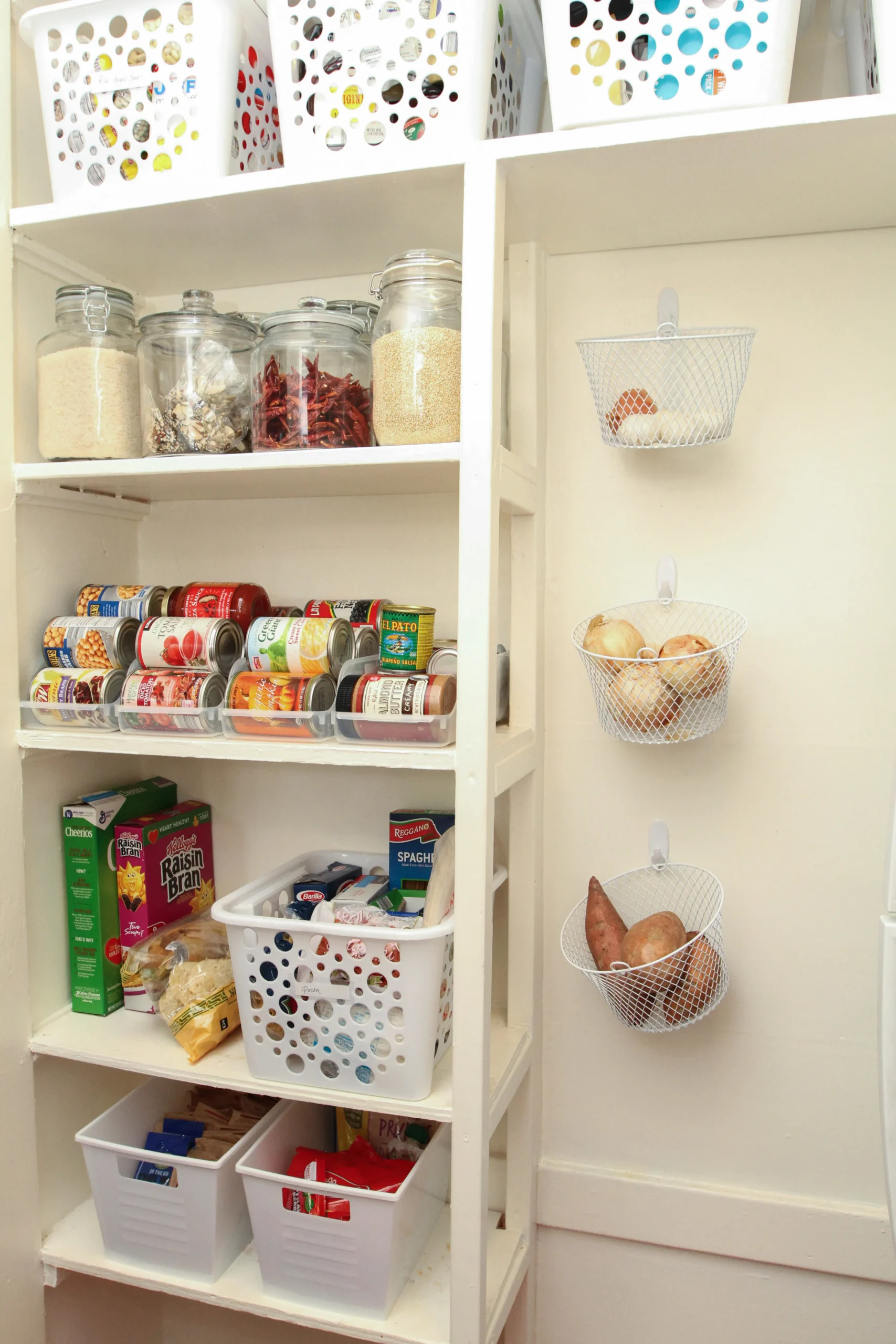
Plan Structural Support Before Adding Crates

Image credit: hometalk.com
Wall-mounted crates create generous storage, but they are not a non-destructive option once filled. Their combined weight can pull at weak plaster, so use this idea only after locating studs or confirming an appropriate mounting method for the wall behind the plaster.
Mark the layout with painter’s tape first. This helps you set a useful height, check door clearance, and make sure the arrangement does not sit above a crib or changing surface. Keep heavier items low and use the upper areas for lightweight books or folded textiles.
For historic walls, make a small pilot hole only after checking for wiring and plumbing. Drill slowly with minimal pressure; forcing a bit through plaster is a common cause of surface cracking. If the plaster is loose, crumbly, or separated from its backing, pause and consult a qualified installer rather than relying on anchors alone.
Source: Hang Crates on Your Wall for Easy Storage | Hometalk
Use Vertical Zones in a Small Room

Image credit: crane-baby.com
Vertical storage works best when each pocket has a clear job. Keep frequently used supplies at adult hand height, place lighter backups higher up, and leave the lowest area free of anything a child could tug or remove.
A narrow hanging organizer can reduce clutter around a changing station without asking a plaster wall to carry a shelf’s weight. Choose a location where it will not interfere with curtains, a door swing, or access to the crib.
For a low-impact installation, use existing sturdy hanging points where available, such as a securely mounted rail. If new hardware is needed, select it based on the organizer’s loaded weight, not its empty weight, and avoid overfilling individual pockets.
Source: Creative Ways to Use Hanging Storage in a Small Nursery
Separate Decor From Everyday Storage

Image credit: lovinghere.com
A dresser wall can carry visual interest without becoming overloaded storage. Keep decorative pieces light, and treat any shelf as a project that needs solid mechanical fastening rather than a quick adhesive solution.
In a nursery, avoid positioning shelves, jars, glass containers, or hanging decor where they could fall into a crib or onto a changing area. Mason jars may suit a decorative adult space, but they are not a good choice for accessible nursery storage because they are breakable and add concentrated weight to the wall.
If minor plaster repair is necessary after removing an old nail, use a compatible patching material and allow it to cure before sanding or repainting. Mortar is generally too hard for fine interior plaster repairs and can create a patch that behaves differently from the surrounding wall.
Source: New Nursery Wall Art + DIY Hanging Air Plant Holder Tutorial – Loving Here
Start with the lightest storage solution that meets the need, then add more permanent shelving only where you can fasten into solid framing or receive professional guidance. After installation, load each piece gradually and inspect it again after a few days for movement, cracking, or loosening.
For any shelf or organizer near a crib, choose another wall if there is doubt about its support. A clear nursery floor and secure storage are more valuable than squeezing every item onto one plaster wall.
FAQ
Can I use adhesive strips for nursery wall storage on plaster?
Adhesive strips may be suitable for very light decor, but plaster can be dusty, uneven, or prone to paint damage during removal. Do not rely on them for loaded storage or anything positioned near a crib.
What is the safest way to mount a shelf on old plaster?
Fasten the shelf into wall studs whenever possible. If a stud is unavailable, the correct anchor depends on the wall construction and shelf load; fragile or uncertain plaster is a good reason to consult a qualified installer.
How can I avoid cracking plaster while drilling?
Use a sharp bit, make a small pilot hole, drill at a controlled speed, and avoid pushing hard. Stop if the plaster crumbles or a crack begins to spread.
Where should nursery wall storage be placed?
Place storage outside a child’s reach and away from the crib and changing surface. Keep heavier supplies low and reserve higher storage for lightweight items.