








To prevent mesh office chair snagging dress clothes, start by finding the exact rough point: damaged mesh, an exposed frame edge, loose trim, or abrasive armrests. Run a clean hand or a spare piece of fabric lightly across the seat, back, arms, and chair edges to locate resistance before it catches tailored trousers or a skirt.
The most reliable fix is to create a smooth barrier over the trouble spot while addressing the underlying wear. Clean away lint, cover rough contact areas with secure fabric-safe materials, and replace a chair component if the mesh is torn or its frame is exposed.
In this article
Stop Small Tears From Catching Fabric
Image credit: reddit.com
A torn mesh panel can form stiff, uneven edges that catch fine trouser fabric as you sit, shift, or stand. Do not treat a growing tear as merely cosmetic; loose strands and exposed material can worsen quickly under regular use.
For a short-term barrier, use a securely fitted seat cover or smooth topper that stays flat and does not slide. Avoid adhesive repairs directly on clothing-contact surfaces unless the product is intended for upholstery, since raised edges can create another snag point.
If the tear reaches the seat frame, leaves sharp plastic exposed, or continues to spread beneath a cover, arrange a replacement seat or professional repair. A cover can protect clothing, but it should not disguise a structural problem.
Source: Mesh fabric on office chair torn, looking for a fix to prevent further tearing : r/fixit
⚠️ Source unavailable — description based on the image only.
Clear Lint Before It Becomes Abrasive

Image credit: reddit.com
Lint, threads, and grit can collect in open mesh and create a rougher contact surface than the chair had when clean. This is especially noticeable with smooth suiting fabrics, which can drag across embedded debris instead of gliding over the seat.
Vacuum the mesh using a brush attachment on low suction, working in more than one direction. Follow with a soft dry cloth for loose fibers around the seat edge, back frame, and arm supports; avoid aggressive brushing that could pull at the mesh.
Make the check part of a weekly desk reset if you wear formal workwear often. Also inspect pockets, belt hardware, and decorative fasteners before sitting, since these can damage mesh and leave a new rough area behind.
⚠️ Source unavailable — description based on the image only.
Create a Smooth Seat Contact Layer
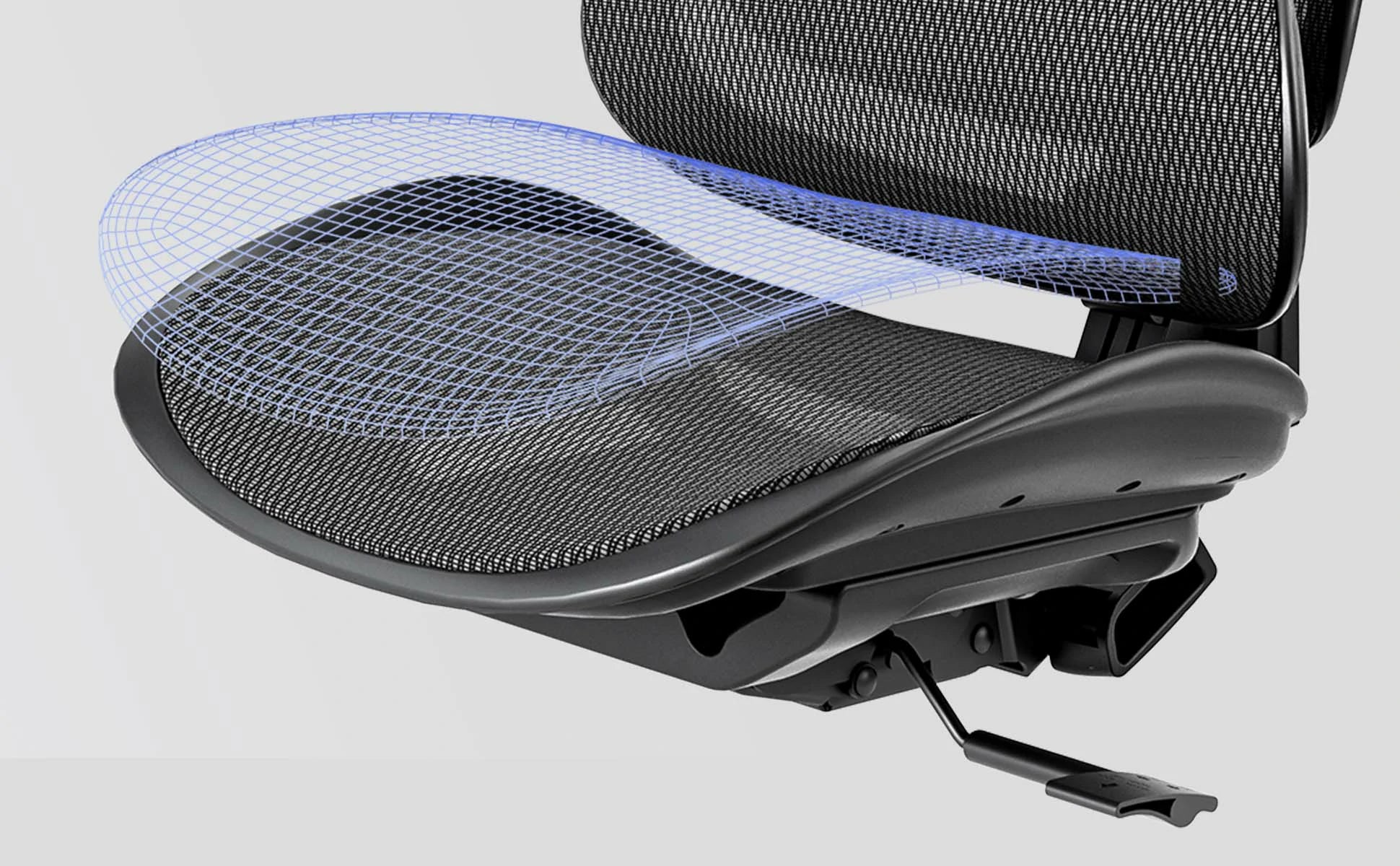
Image credit: sihoo.com
A fitted leatherette or tightly woven seat topper can separate delicate clothing from coarse or worn mesh. Choose one with a smooth finish, a non-slip backing, and straps or an attachment method that keeps it taut across the full sitting area.
Fit matters more than thickness. A loose cushion can bunch under the thighs, expose the rough seat edge, or shift as you rise; test it while sitting and standing in the garments you most want to protect.
Keep the topper clean and dry, and remove it periodically to inspect the mesh beneath. If the chair remains abrasive through the cover, the underlying seat needs attention rather than another layer.
Source: Are Mesh Office Chairs Easily Torn? – Official US Sihoo Store
Soften Edges and Armrest Contact Points
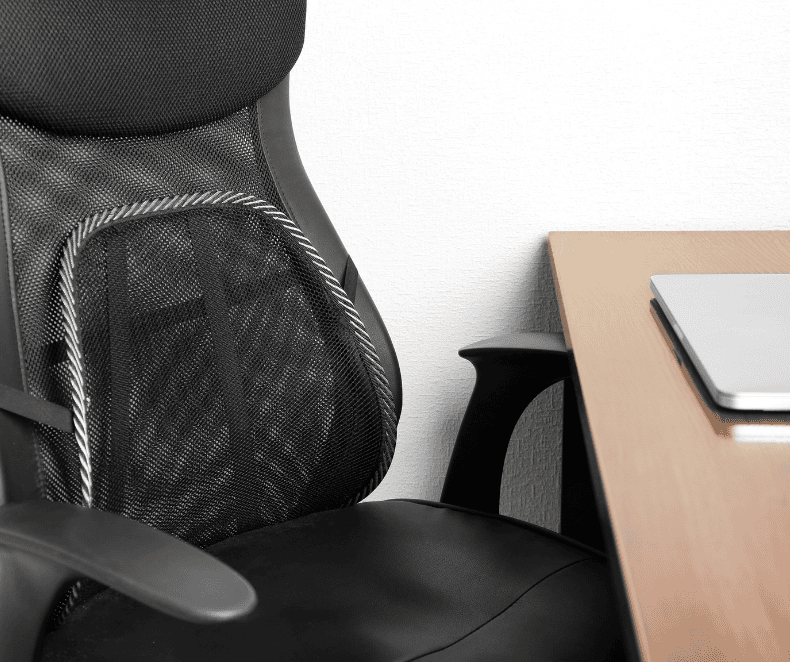
Image credit: flexispot.com
Snags do not always begin at the center of the seat. The front lip, side frame, armrest seams, adjustment levers, and damaged plastic trim can all brush clothing as you turn or get up.
Inspect these areas in the same direction your clothing moves. A smooth microfiber armrest wrap can reduce friction at the elbows and sleeves, while a purpose-made edge guard may help where a hard frame edge is the problem. Secure any modification so it cannot curl, loosen, or interfere with chair controls.
Finish with a practical movement test: sit down slowly, rotate, reach for the desk, and stand. If fabric catches at any stage, mark the point and correct that contact area before wearing a more delicate outfit.
Source: Common Problems with Mesh Chairs | FlexiSpot
Start with a quick hand-and-fabric inspection, then clean the mesh and cover the exact contact point rather than padding the whole chair at random. A fitted smooth topper and secure armrest wrap can help protect formal workwear while you decide whether worn mesh or trim should be repaired.
If a snag persists after cleaning and covering, stop using that surface with delicate clothing and inspect the chair for exposed or damaged components. Replacing a compromised seat panel is safer for both your clothes and the chair.
FAQ
Can a mesh office chair really snag dress trousers?
Yes. Torn mesh, loose threads, embedded debris, sharp frame edges, and damaged trim can catch fine woven fabrics, especially during sitting and standing.
What is the safest cover for a rough mesh seat?
Use a fitted, smooth seat topper or cover that stays taut and does not interfere with the chair’s movement. Check it regularly for shifting or worn areas.
Should I repair or replace torn chair mesh?
A small issue may be temporarily covered, but spreading tears, exposed frame parts, or persistent roughness usually call for a replacement component or professional repair.

