







To remove peel-and-stick wallpaper without damaging landlord paint in a shared rental, start slowly, warm only a small area at a time, and pull the material back low and parallel to the wall. Avoid yanking upward or using high heat, both of which can stress weak paint.
Before tackling a full wall, test an inconspicuous corner and tell housemates what you are doing so the move-out work is coordinated. Keep a hair dryer on low, a plastic scraper, soft cloths, and mild soapy water nearby. Stop promptly if paint begins to lift; forcing the next section usually makes a small repair larger.
In this article
Start With a Hidden Test

Image credit: thehomesihavemade.com
1. Check how the wall responds first
Paint condition matters as much as the wallpaper itself. Older paint, a poorly prepared wall, or paint that was applied over an unclean surface may release before the adhesive does. Choose a low-visibility edge, such as behind furniture or near a corner, and lift only a small flap.
Warm that area briefly with a hair dryer set to low, then peel at a shallow angle. If the paint stays intact and the wallpaper releases steadily, continue in small sections. If paint pulls away, pause rather than assuming more force will solve it.
In a shared rental, photograph the test area and any pre-existing wall flaws for your records. That creates a clear starting point before the move-out process gets underway.
Source: Does Peel and Stick Wallpaper Damage Walls? – The Homes I Have Made
Set Up a Low-Heat Workstation

Image credit: extreme-walls.com
2. Use gentle heat, not a stripping method
Low heat can soften adhesive enough to help peel-and-stick wallpaper release, but it should be used sparingly. Work on a small patch near the lifted edge, keeping the dryer moving instead of concentrating heat in one spot.
Use the lowest practical setting and keep the airflow a short distance from the wall. High heat can soften or blister paint, while prolonged heating may make the adhesive messier rather than easier to remove.
Protect nearby outlets and move furniture away from the wall so you have room to work safely. A plastic putty knife can help start a stubborn edge, but keep it flat to the surface and never dig into the paint.
Source: The Easiest Ways to Remove Wallpaper
Peel Slowly at a Shallow Angle
Image credit: reddit.com
3. Let the wallpaper release instead of pulling
The safest motion is slow and low: fold the loosened wallpaper back over itself and pull parallel to the wall. This puts less upward pressure on the paint than pulling the sheet straight out from the surface.
If resistance increases, stop, apply low heat to the next small section, and try again. Do not use a sudden tug to speed through a difficult patch. Paint damage often begins at seams, corners, and spots where the wall coating was already compromised.
Should paint start to lift, cut the wallpaper free from that section and reassess. A small, contained repair may be necessary later, but continuing to peel through a failure point can expose drywall or create a larger uneven area.
Source: HELP! I removed peel and stick wallpaper off my apartment wall and now it looks like this. : r/paint
Clean Residue With Minimal Moisture

Image credit: wherewegather.net
4. Remove leftover tack without soaking the wall
After the paper is down, run clean fingers lightly over the wall to locate tacky patches. Start with a soft cloth dampened with warm water and a small amount of mild dish soap. Wring it out thoroughly; the goal is a barely damp wipe, not a wet wall.
Work in a limited area, then dry it immediately with a second cloth. Avoid abrasive pads, sharp blades, and strong solvents unless you have confirmed they are safe for the specific paint finish in an inconspicuous place first.
Let the wall dry fully before deciding that more cleanup is needed. Some residue becomes easier to identify once moisture has evaporated, and repeated scrubbing while the paint is damp can leave a dull or damaged patch.
Source: Peel and Stick Wallpaper Removal • Where We Gather
Finish the Move-Out Wall Check
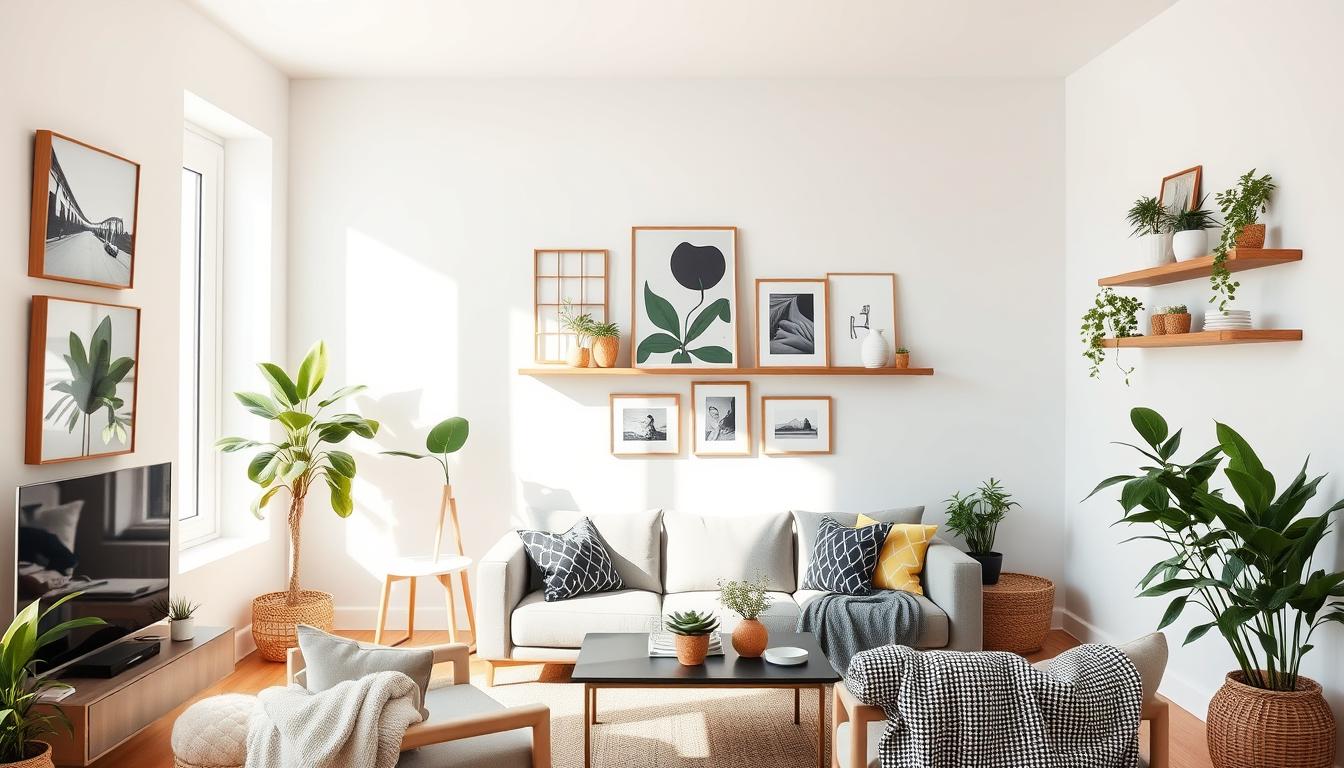
Image credit: rossettiart.com
5. Inspect the wall before handing back the room
Wait until the cleaned wall is completely dry, then inspect it in daylight and with the room lights on. Look along the surface from an angle for adhesive shine, lifted edges, scuffs, or paint variation that might not show from straight on.
Coordinate with housemates before touching up anything. Shared rentals can have different paint batches, undocumented past repairs, or lease rules about painting. If a repair is needed, review the tenancy agreement and contact the landlord or property manager for guidance on approved paint and expectations.
Take final, dated records of the finished wall and keep them with your move-out documentation. This simple step is useful if questions arise during a deposit inspection.
Source: Tips for Decorating Rental Apartments Without Damaging Walls
Plan enough time to remove one section at a time rather than treating wallpaper removal as a last-minute task. Low heat, a shallow pull, and restrained cleanup give rental paint the best chance of staying put.
Before your final walkthrough, inspect each wall after it has dried, document its condition, and raise any uncertain repairs with the landlord or property manager instead of guessing at a paint match.
FAQ
Can a hair dryer help remove peel-and-stick wallpaper?
Yes. Use a hair dryer on low heat for a small area at a time to gently soften the adhesive. Keep it moving and stop if the paint becomes soft, shiny, or begins to lift.
What angle should I use to peel wallpaper from a rental wall?
Pull the wallpaper back low and parallel to the wall, folding it over itself. A shallow angle is generally gentler on paint than pulling outward or straight down.
How do I remove adhesive residue from painted walls?
Try a soft, well-wrung cloth with warm water and a little mild dish soap. Wipe a small test spot first, dry the wall promptly, and avoid harsh solvents or abrasive scrubbers.
What should I do if paint comes off with the wallpaper?
Stop peeling at that point. Document the area, avoid widening the damage, and check your lease or ask the landlord or property manager about an approved repair method.

